Quick answers
- What is spearmint leaf?
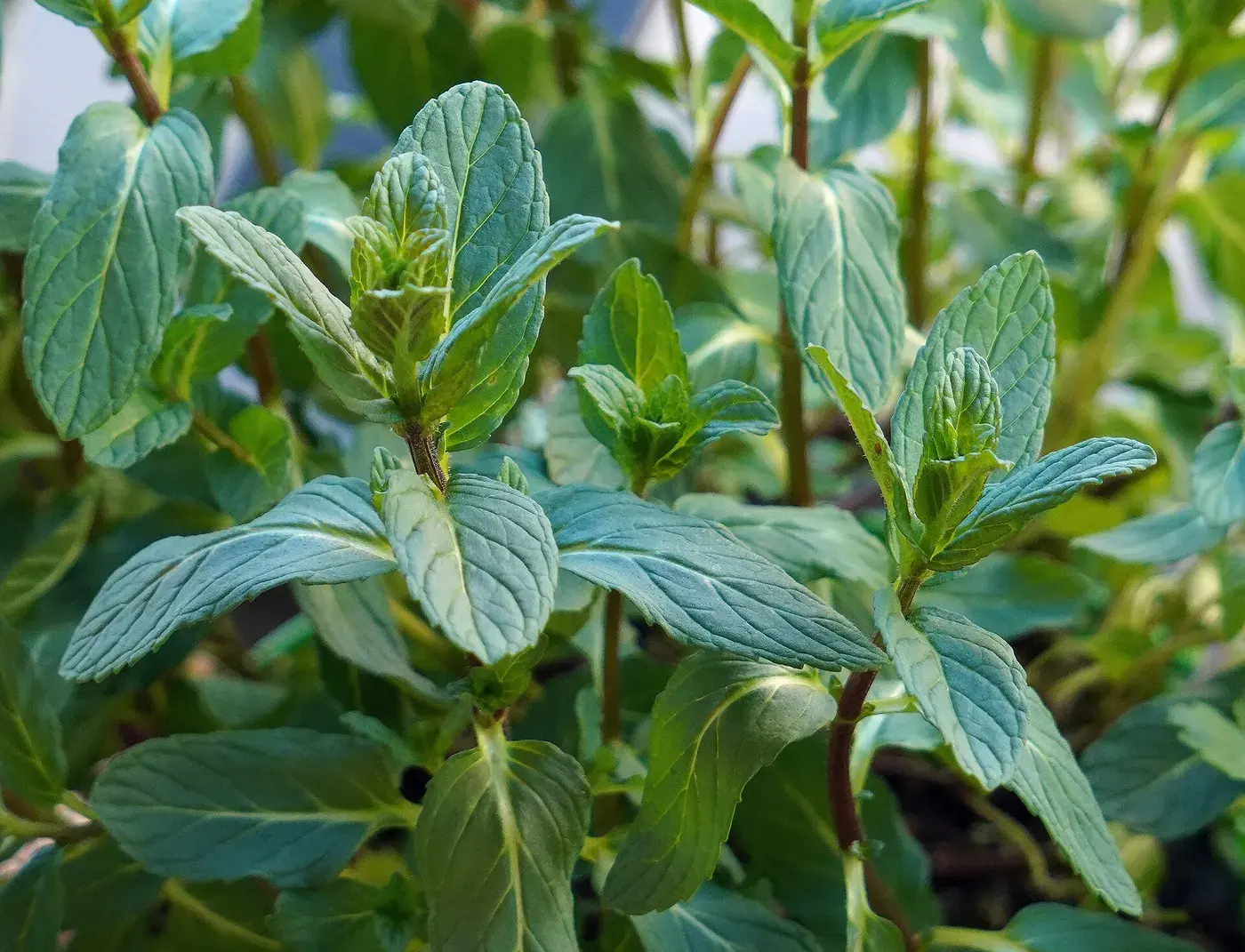
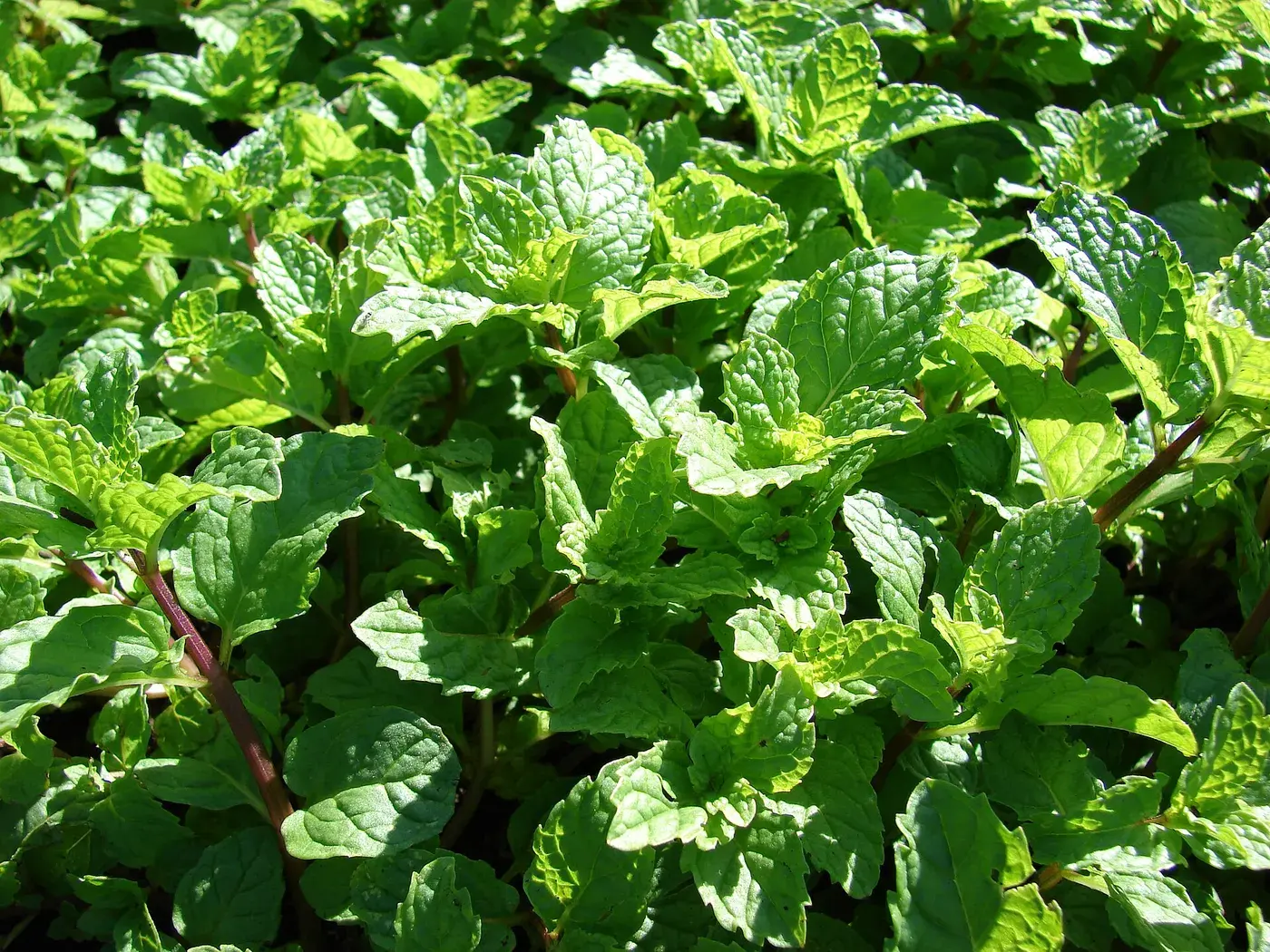
- Spearmint is the softer, sweeter cousin of peppermint, with a gentle menthol note.
- What is spearmint leaf traditionally used for?
- Brewed as a soothing, sweet, caffeine-free tea. Traditionally used by women to support hormonal balance. Sipped after meals to settle the stomach.
- How do you use Spearmint Leaf?
- Steep 1 teaspoon in hot water for 5–7 minutes; enjoy 1–2 cups a day. Combine with hibiscus for a refreshing iced blend. Add to fruit salads and yoghurt.
- Who should be careful with Spearmint Leaf?
- Generally very well tolerated. If pregnant or breastfeeding, seek advice before regular use.
- How much is Spearmint Leaf in Kenya?
- Millibiwa Suppliers sells Spearmint Leaf at KES 700 for a 100g pouch, with delivery in Nairobi and by courier to other towns.
Reviewed 3 October 2026 by the Millibiwa Suppliers team.
Overview
Spearmint is the softer, sweeter cousin of peppermint, with a gentle menthol note. Beyond its refreshing tea, spearmint has drawn attention in traditional and modern use for supporting hormonal balance and calm digestion.
Traditional uses
- Brewed as a soothing, sweet, caffeine-free tea.
- Traditionally used by women to support hormonal balance.
- Sipped after meals to settle the stomach.
Benefits
Gentle & calming
A mild, sweet mint that soothes without the sharpness of peppermint.
Digestive comfort
Traditionally enjoyed after meals to ease bloating and support digestion.
Hormonal balance
Spearmint tea is a popular traditional choice for supporting hormonal wellbeing.
How to prepare & use
- 1Steep 1 teaspoon in hot water for 5–7 minutes; enjoy 1–2 cups a day.
- 2Combine with hibiscus for a refreshing iced blend.
- 3Add to fruit salads and yoghurt.
Questions
How is it different from peppermint?
Spearmint is sweeter and milder, with far less menthol punch.
Can I drink it daily?
Yes — one to two cups a day is a common, gentle routine.
Caution. Generally very well tolerated. If pregnant or breastfeeding, seek advice before regular use. These notes are for general education and do not replace advice from a qualified health professional.